Key takeaways
- Clay holds water, so the base must carry it away.
- A sloped, compacted stone base is the foundation.
- Outlets, French drains and dry wells handle wet spots.
- Never let turf sit on a bowl of wet clay.
Why clay matters
Much of Middle Tennessee has clay soil that drains slowly. Rain sits on top, turns to mud and drives people to cover the yard in turf. But turf over unprepared clay can hold water just as badly as grass.
The base is what changes the outcome.
The base and slope
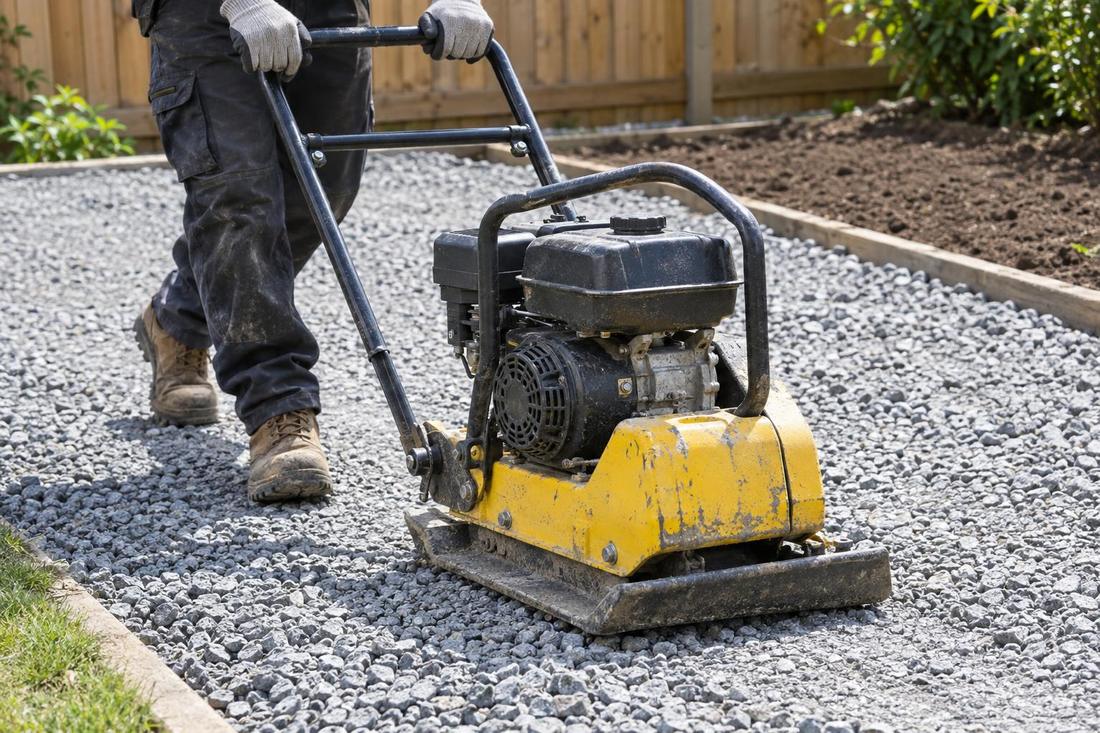
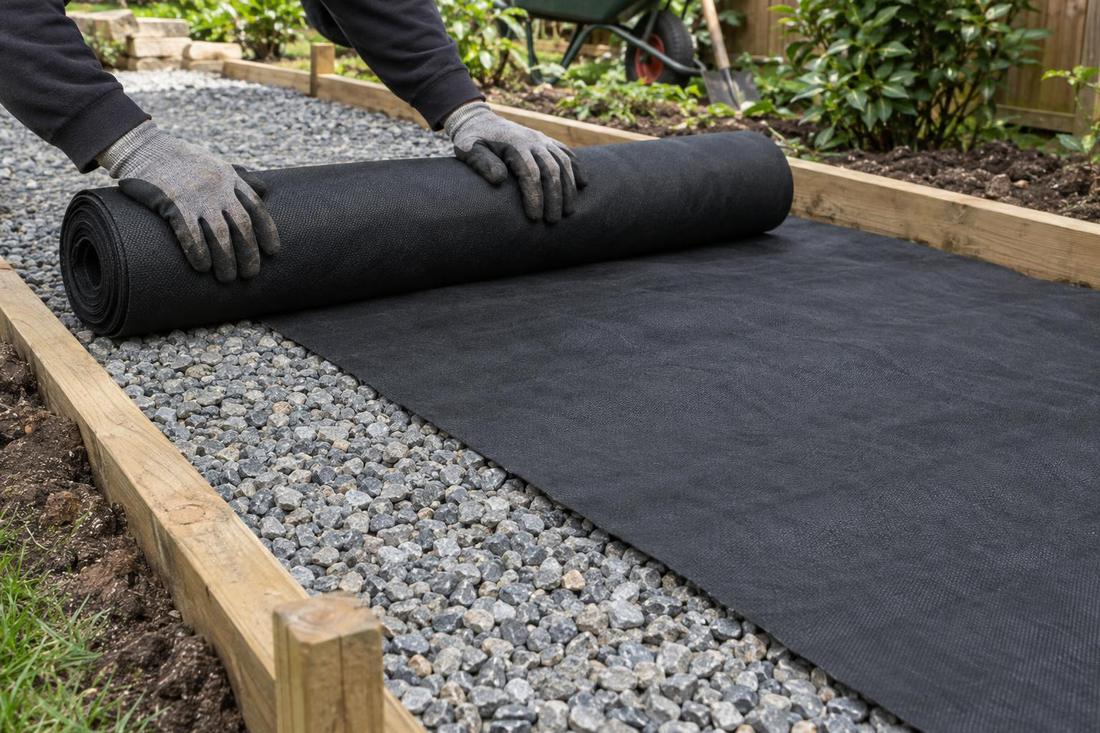
A compacted stone base with a gentle slope moves water off the surface and away from the house. The base must be thick enough to hold water during storms and open enough to let it travel.
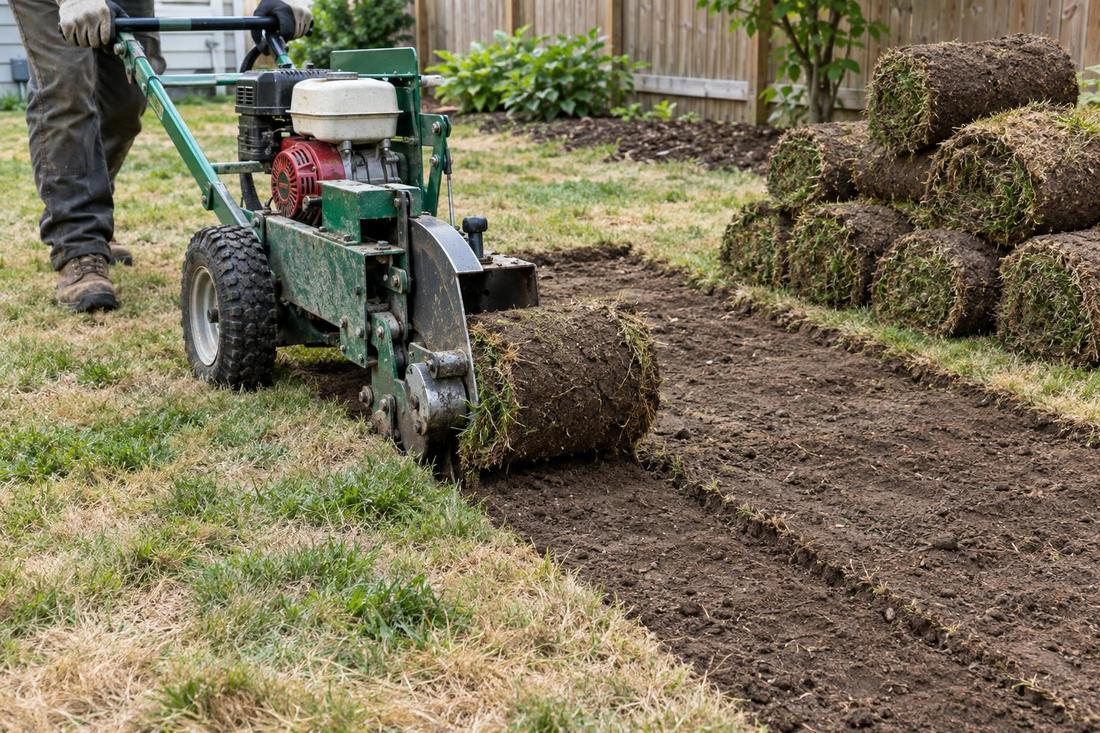
We shape the soil first so there are no bowls where water can pool.
Outlets and drains
Some yards need more than a sloped base. We add French drains, catch basins, daylight outlets or dry wells where water has nowhere to go.
We also check downspouts and neighboring runoff before we build.
Testing the result
After the base is built, we can run a hose test to see how water behaves. This simple check catches problems before turf goes down.
A well-drained base also makes pet areas and play spaces cleaner and safer.
Quick answers
Can turf be installed over wet clay?
Yes, once the base and outlets are designed to move water away from the area.
Does turf need sprinklers?
No. Sprinkler lines are usually removed or capped before turf goes in.