Key takeaways
- Look for fully perforated drainage backing.
- The base must drain fast and not hold urine.
- Antimicrobial infill and regular rinsing control odor.
- Choose a sturdy blade and a pile height that stays upright.
Drainage is everything
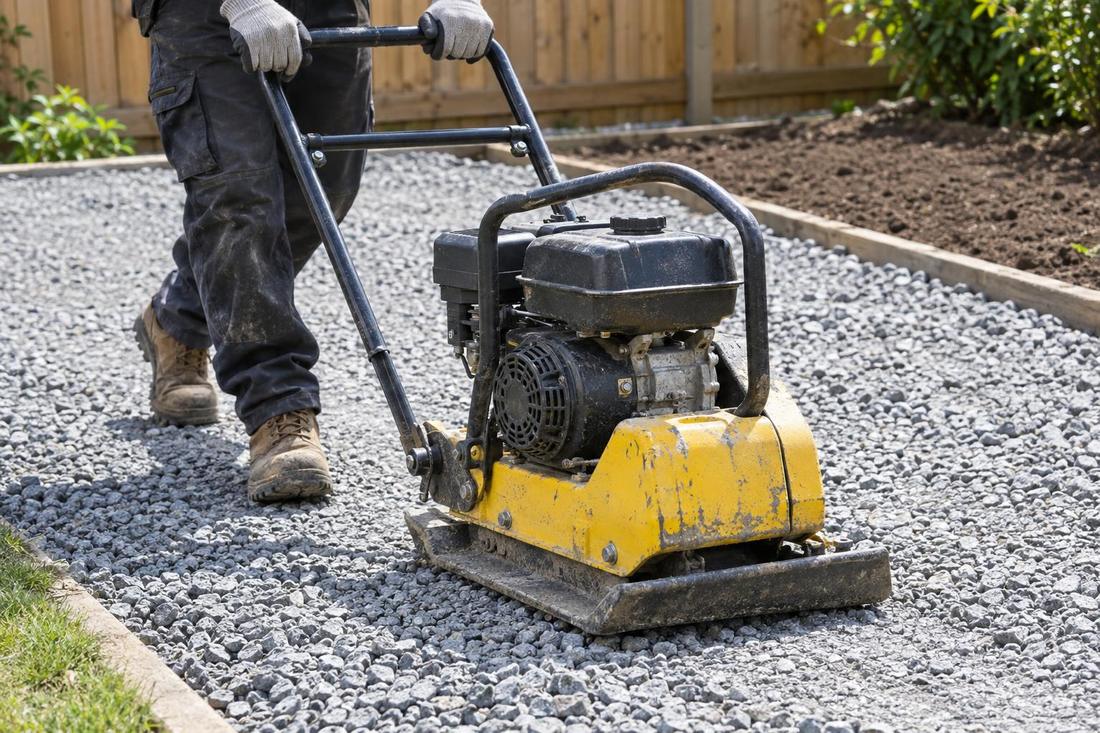
Pet turf succeeds or fails on drainage. Urine and rinse water must pass through the backing and the base quickly instead of sitting in the layers. We use perforated backing over a free-draining stone base.
In heavy clay, we add an outlet or drain so water has somewhere to go.
Backing and blades
Choose turf with a strong, perforated backing and sturdy blades that spring back. Very long, soft blades can mat down and hold odor under heavy use.
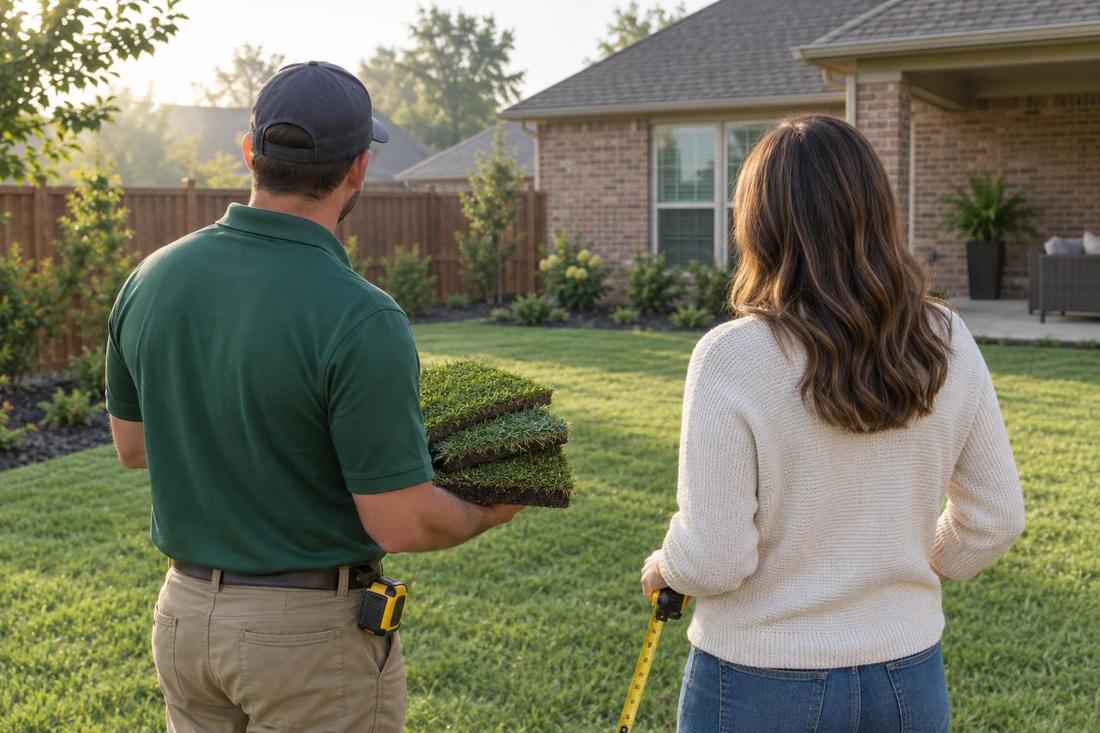
We show pet-rated samples and explain how each one holds up.
Infill that helps
Infill weighs the turf down and supports the blades. For pet areas, we often choose an antimicrobial or odor-controlling infill that does not hold moisture the way plain sand can.
The right infill depends on how many dogs use the area and how big they are.
Cleaning routine
Pick up solids, rinse urine areas with a hose and use a pet-safe enzyme cleaner now and then. High-use areas may need a deeper rinse once in a while.
A small dedicated potty area with extra infill is a smart design for many homes.
Quick answers
Will my dog dig it up?
Well-anchored turf over a firm base resists digging. We can add dig barriers along fences for diggers.
Will the yard smell?
With good drainage and regular rinsing, odor is manageable. We explain the routine and the products that help.