Key takeaways
- Turf saves irrigation water and removes lawn chemicals.
- It is made of plastics and does not support soil life.
- Heat and runoff need planning.
- Mixing turf with planting beds balances the trade-offs.
Where turf helps
A turf lawn needs no irrigation, mowing, fertilizer or herbicide. That means less water use, no gas mower emissions and no chemical runoff from the yard.
In dry spells or water restrictions, turf stays green with no extra water.
Where turf falls short
Turf is made from plastics and is not a living system. It does not feed insects, absorb carbon the way soil does or cool the air the way grass does. At the end of its life, it has to be removed and recycled or disposed of.
We think it is important to say this plainly.
Managing the trade-offs
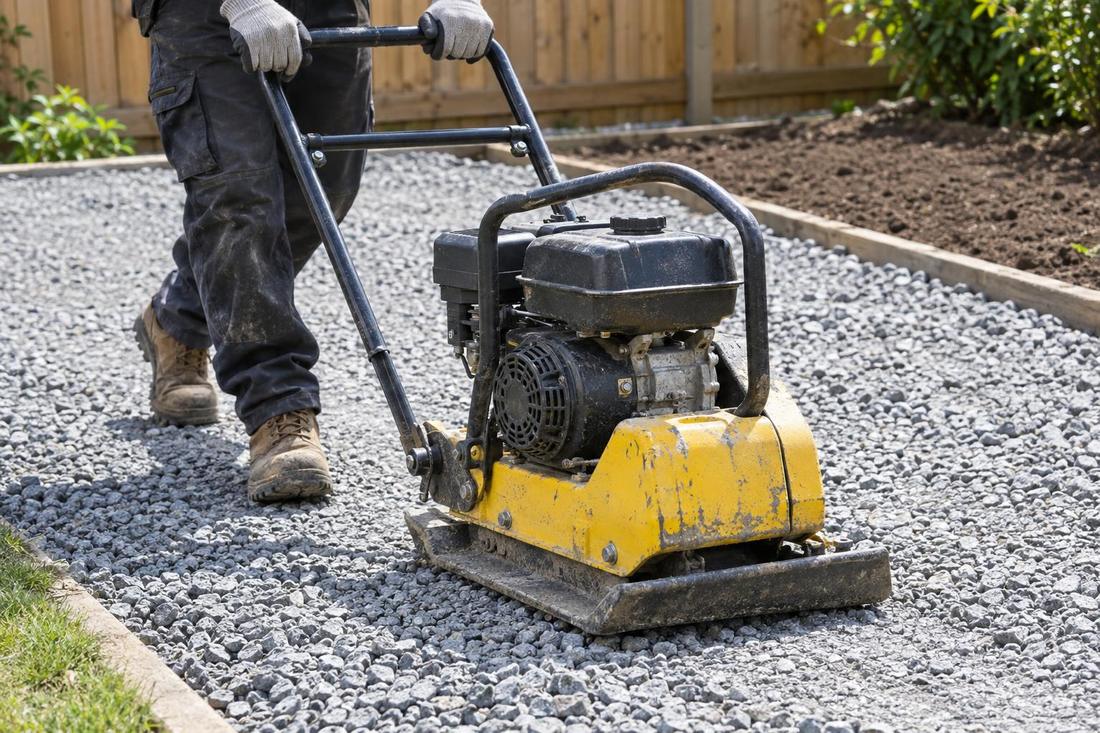
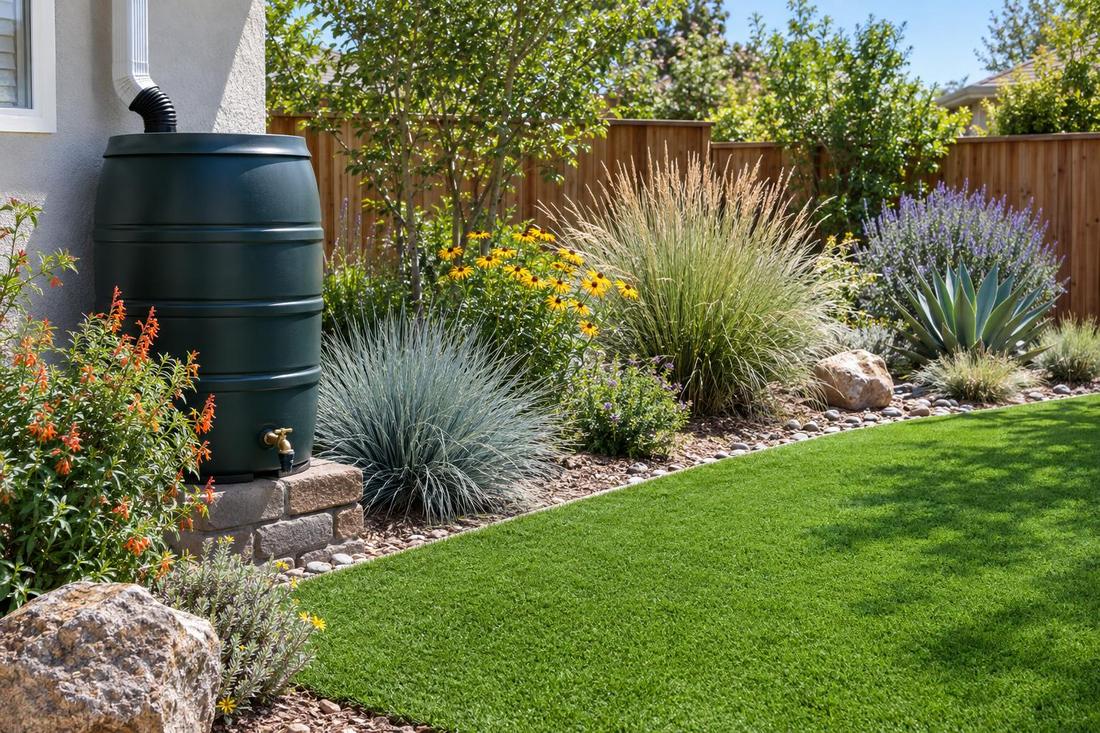
Good design reduces the downsides. Shade, planting beds, trees and permeable bases help with heat and runoff. Keeping some natural lawn or adding pollinator beds helps wildlife.
Choose a quality product made to last and install it on a proper base so it does not need early replacement.
Making a choice
For high-use areas, shade, slopes and small spaces, turf is often a sensible choice. For large sunny lawns that you enjoy, natural grass may be better.
We are happy to talk through the pros and cons for your property.
Quick answers
Does turf contain harmful chemicals?
Quality products are tested for safety, and we can share product information on request.
Can turf be recycled?
Options are growing, and we can talk about removal and recycling when you replace turf.